
How to Get Court Records
Several routes exist for a Nemaha County docket search. Open CaseSearch to check public case information and follow any document link the system provides. At the courthouse, a public terminal lets you pull up the case yourself. The clerk's window handles copy requests. A written Kansas Open Records Act request works well when you can name a specific record. Ask the office which channel it currently accepts, whether mail, fax, or email. Use the phone to route a question or confirm current costs. A certified document still needs a formal request.
- Name Nemaha County District Court and identify the case.
- Describe the exact docket, order, filing, judgment, or transcript sought.
- Choose online review, courthouse terminal, counter, mail, fax, or confirmed email.
- State whether the copy should be plain, file-stamped, or certified.
- Ask for current search, copy, certification, delivery, and advance-payment terms.
- Keep the request date, response, estimate, and any access explanation.
Three Nemaha Court Record Layers
Kansas Rule 106B splits a court record into layers. There is the basic case record and register of action, and then there are all the underlying documents filed in the case. Readers often treat a public event list as the whole file. That is the mistake to avoid when you read a Nemaha County docket.
| Layer | What it can show | Where to start |
|---|---|---|
| Case information | Number, type, parties, judge, dates, and status | CaseSearch |
| Register of action | Chronological filings, settings, orders, and disposition events | CaseSearch or terminal |
| Underlying document | Petition, motion, exhibit, journal entry, judgment, or other filed item | Online link, terminal, or clerk request |
A label on the docket entry is not the filing itself. If the words in the document matter to your case, ask the Nemaha County clerk for the named paper and its date.
Types of Court Records
An event label is not the text of the filing itself. If the contents matter, ask for the document by its name and date.
- docket sheets or registers of action;
- complaints, petitions, answers, and motions;
- journal entries, judgments, and sentencing documents;
- probate instruments and public orders;
- certified dispositions or file-stamped copies;
- transcripts requested through the proper court-reporter route.
Some records sit elsewhere. Municipal ordinance cases belong to the relevant city court. Federal cases belong to the District of Kansas, and county commission minutes, tax rolls, election records, police files, and driver records each have a different custodian.
Build a Focused Nemaha KORA Request
Start with the state's own paperwork. The Kansas court-record request form asks who you are, how you want delivery, a description of the record, your signature, and how costs will be handled. K.S.A. 45-218 sets the response framework, including language about the end of the third business day. That clock does not promise a document in hand. An answer might simply report status, give a cost estimate, note an access limit, or name the next step.
Keep the request tight. One Nemaha County case, one document, when you can manage it. List the case number, the document title or event date, the copy type you want, your delivery choice, and contact details. Leave out protected identifiers you do not need. Fees and advance payment can apply under K.S.A. 45-219, so ask first whether an electronic or redacted public copy exists before paying to copy a thick paper file.
What a Court Record Contains
What is inside depends on the case and on access rules. A complete Nemaha County request should separate descriptive information from the document itself.
| Case identity | Case number, caption, type, filing date, and court. |
|---|---|
| Assignments | Judge, attorneys, and public party roles where accessible. |
| Docket activity | Filed events, settings, orders, continuances, and disposition entries. |
| Filed papers | Public complaints, motions, responses, exhibits, or journal entries available in the file. |
| Outcome record | Judgment, sentence, dismissal, or other public disposition. |
| Authentication | Clerk certification only when specifically ordered and supplied. |
A calendar shows scheduled events, never testimony. Transcripts are a separate request entirely, and the Nemaha clerk sets no posted transcript fee or online order form.
Nemaha District Clerk or County Clerk?
Know which office holds what. The District Court Clerk maintains district-court records. The Nemaha County Clerk runs county government tasks. These include elections, commission records, budgets, tax rolls, and permits. The Sheriff keeps law-enforcement material. Municipal clerks keep city-court records, and the Kansas Department of Revenue keeps driver records. Match your request to the record itself, not just the incident's subject.
Nemaha County District Court
607 Nemaha Street, Seneca, KS 66538
PO Box 213
785-336-2146, option 5
Fax: 785-336-6450
The current 22nd Judicial District directory lists Lisa Mangnall, while other official pages list Lisa Olberding. Verify the current clerk and email before sending a request.
Certified Copies and Fees
A plain copy is just an ordinary reproduction. A file-stamped copy shows filing information, and a certified copy carries the clerk's authentication. Note that a CaseSearch printout is not a certified copy. A view from the terminal is not one either. Before paying for certification, ask the receiving court or agency which form it actually requires.
| Item | Last located amount | Status |
|---|---|---|
| First photocopy page | $0.50 | Historical 2014 local rule; verify now |
| Later photocopy pages | $0.25 each | Historical 2014 local rule; verify now |
| Certification | $1 | Historical 2014 local rule; verify now |
| Fax | $2 first page; $1 later pages | Historical 2014 local rule; verify now |
| Search, postage, transcript, electronic delivery | Not currently published | Ask for an estimate |
Treat any fee amount as unconfirmed. K.S.A. 45-219 permits fees and possible advance payment, and the clerk confirms every current charge.
Historical Nemaha Court Files
The Kansas Historical Society archives listing covers Nemaha district and probate material along with Sabetha and Seneca city-court records, including older and microfilmed holdings. Treat it as a lead. It is not the home of every modern case. For an older matter, start with the case number and an approximate date. Ask the Nemaha clerk whether the file is electronic, on paper, or transferred out. If the State Archives takes over, note the court, record series, date range, and any volume or microfilm reference. Old files can use older numbering and office names. Do not force them into the current Odyssey pattern.
Public Access and Sealed Records
Access rules come from several sources. Kansas Supreme Court Rules 22 and 106B govern access concepts for court case records. Rule 24 covers protected data and redaction duties. K.S.A. 45-221 lists public-record exemptions. It allows an exempt portion to be separated from material that can lawfully be released. Juvenile, adoption, expunged, sealed, domestic, guardianship, and similar protected material may be absent or restricted.
A restriction does not mean the case never existed. Nor does it let a clerk bypass an access order. Keep the custodian's exact wording, because "not online," "not held," "not located," and "restricted" all mean different things.
Federal and Driver Files Are Separate
CourtListener offers a free federal search and a RECAP mirror that can help locate some federal material. It is not the custodian. The CourtListener search page shows that free alternative.
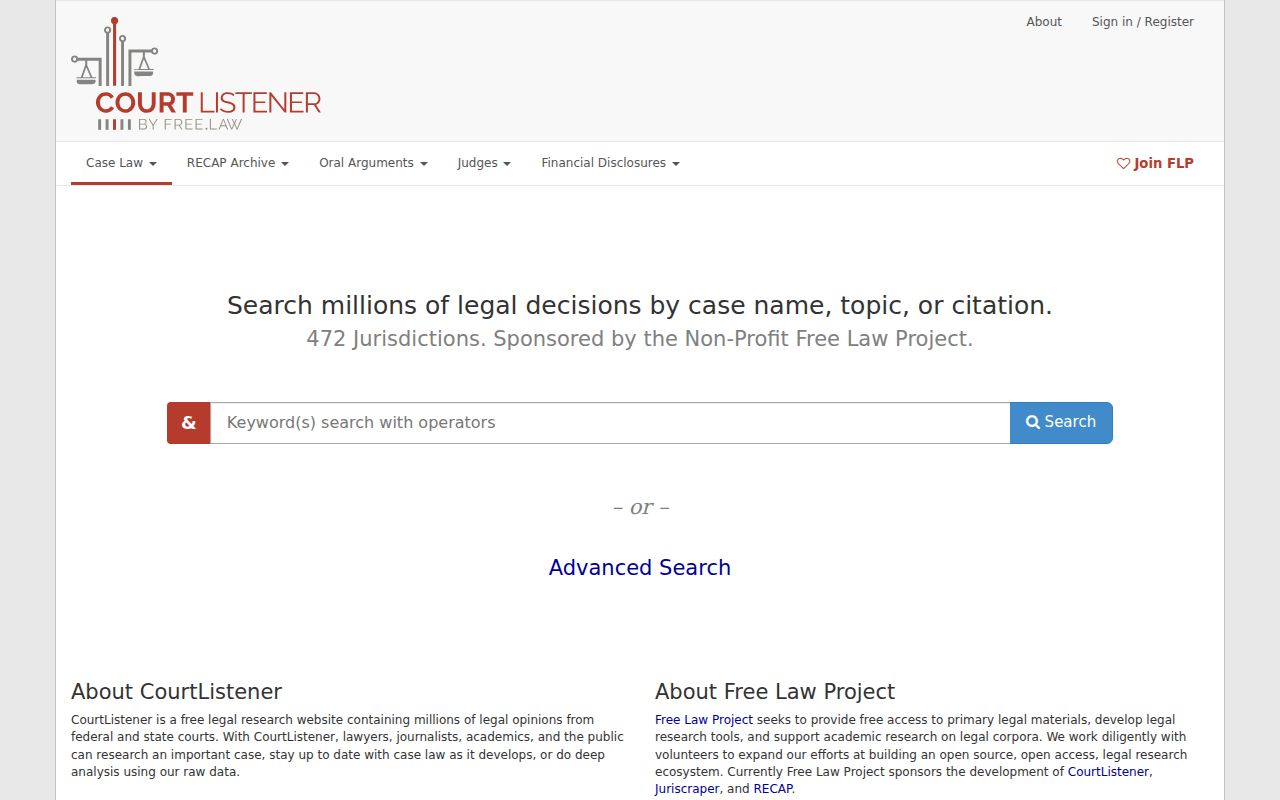
Confirm federal records through the District of Kansas or PACER. Driver records take a different route. The KDOR driver and suspension page illustrates that agency boundary, since the Kansas Department of Revenue handles them.
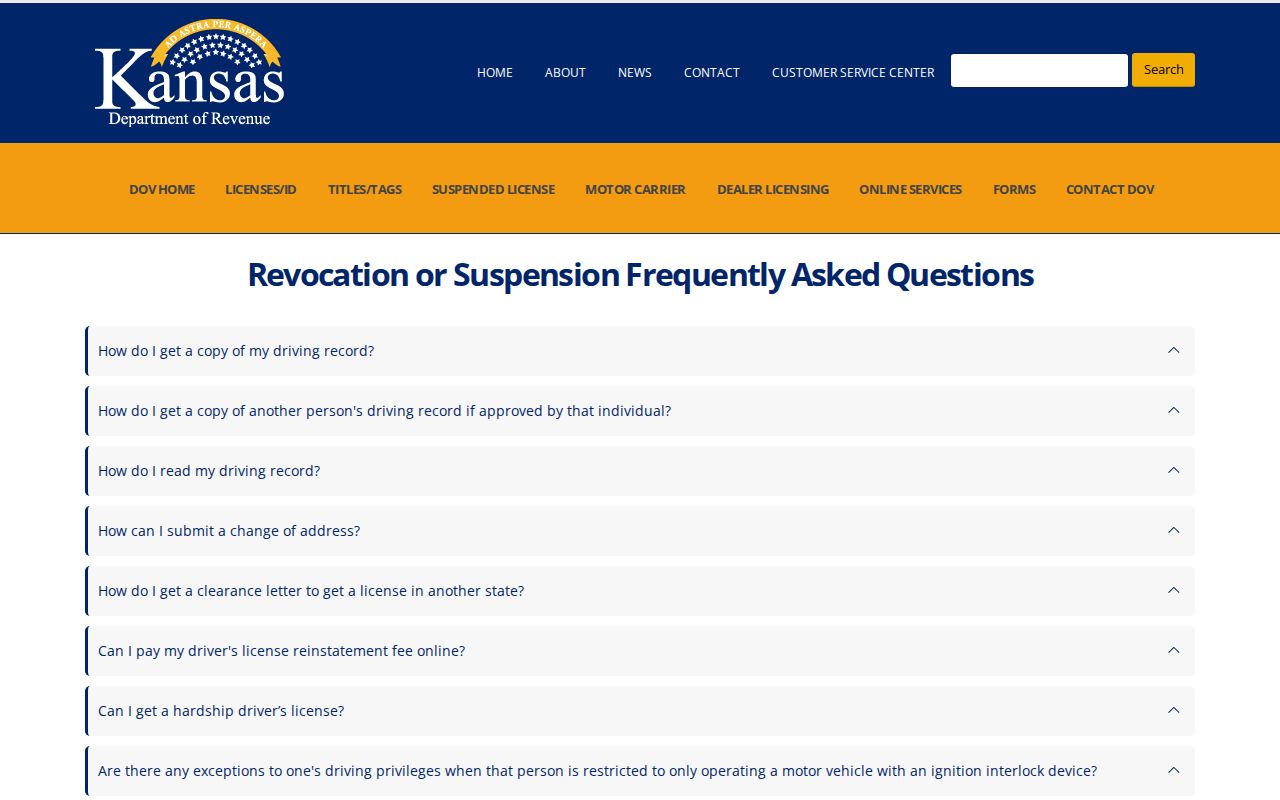
A court file may show a traffic disposition, but the driver record lives with KDOR. Ask each custodian only for the record it keeps.
Check a Nemaha Record Delivery
Police material follows the same rule. A charging document can name an agency. That does not turn its reports, photographs, or evidence into court-clerk records. County administration papers stay with the County Clerk. A city ordinance file stays with its municipal custodian unless an appeal opened a separate District Court matter. Naming the exact record and the right custodian saves delay on any Nemaha County docket request.
When copies arrive, compare them with the order. Look at the court, the case number, the document title, the filing date, and the page count. Confirm certification was requested and supplied. A partial response deserves a close read. Keep the written explanation. Ask whether the missing part is restricted, not held, not located, or simply available in another format. Each answer points to a different next step. None of them means the record does not exist.